|
|
antiscalant chemical msds
|
|
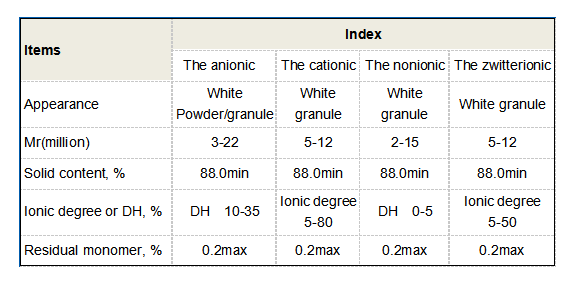
anionic polyacrylamide / anionic polyacrylamide flocculant / anionic pam / anionic polyacrylamide price / anionic polyacrylamide uses: LKP BTC produces "anionic polyacrylamide" (A-PAM). This type of PAM carries a negative charge and is primarily used as a "flocculant" in mineral processing, coal washing, and sand washing to aggregate inorganic particles like clays and metal oxides. The "price" varies based on the degree of hydrolysis.
|
|
|
|
|
|
bkc 80 price
|
|
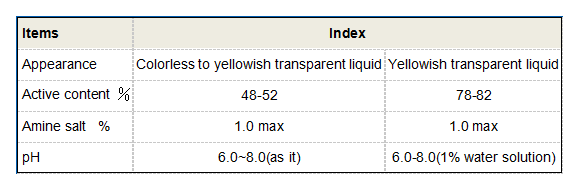
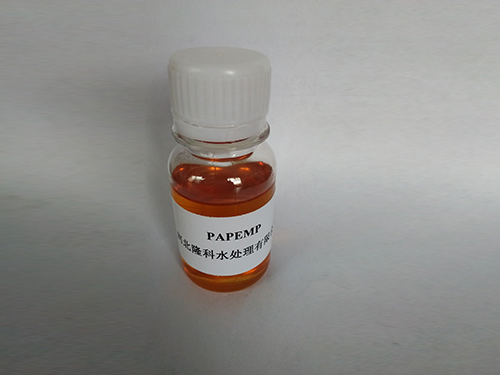
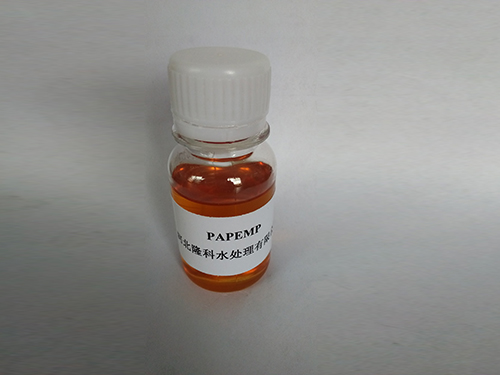
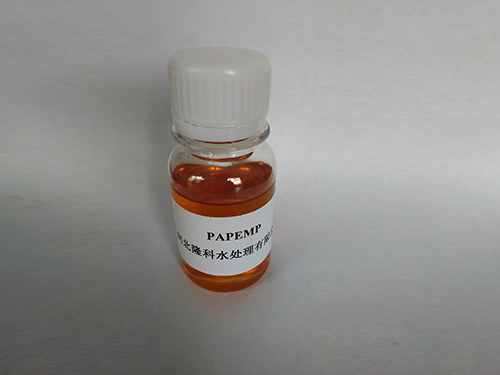
papemp: This likely refers to "PAPEMP" (Phosphino Polycarboxylic Acid), a multi-functional water treatment agent with excellent scale and corrosion inhibition properties, particularly for calcium phosphate and zinc salts.
|
|
|
|
|
|
cooling water inhibitor
|
|
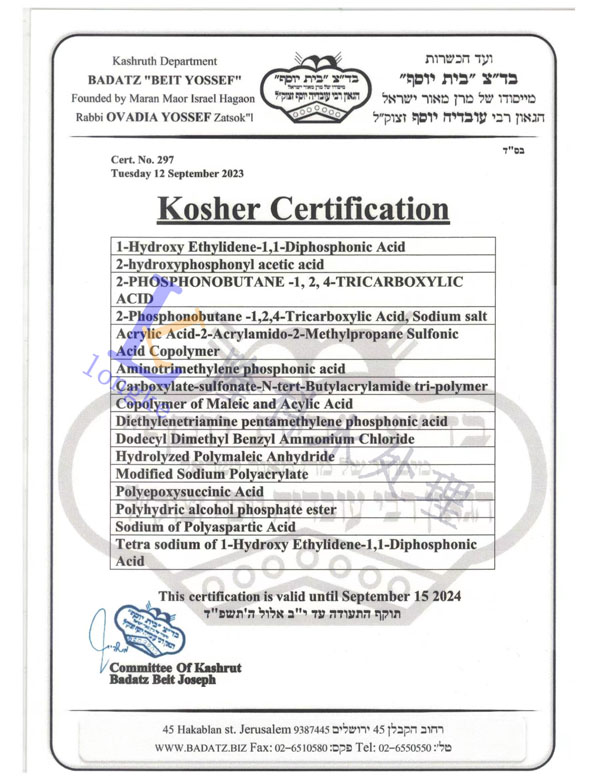
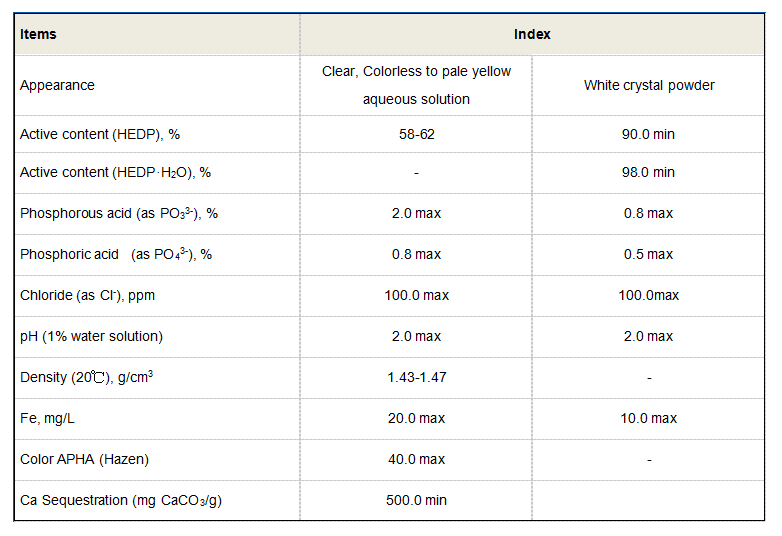
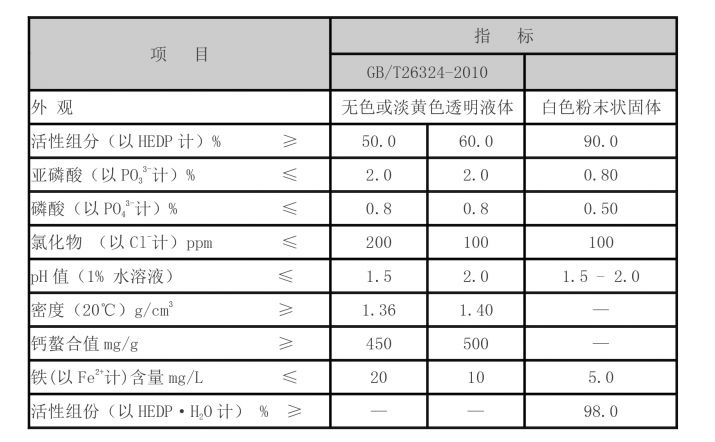
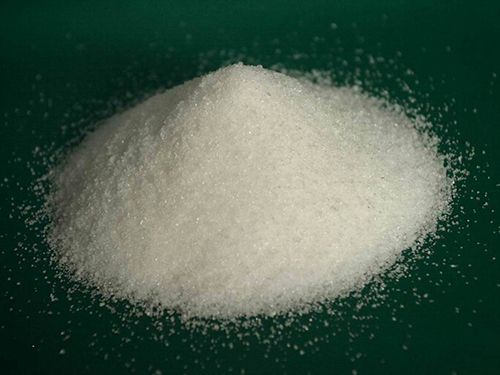
hedp scale inhibitor / hedp / 1 hydroxy ethylidene 1 1 diphosphonic acid hedp / 1 hydroxyethylidene 1 1 diphosphonic acid hedp / hedp 4na / hedp 60 / hedp acid / hedp na2 / hedp na4 / hedp ph / hedp phosphonate / hedp water treatment / sequest hedp / cas no. 37971-36-1: LKP BTC is a leading producer of "HEDP" (Hydroxyethylidene Diphosphonic Acid), a highly effective "scale inhibitor" and "phosphonate." They supply it in various forms: as "HEDP acid" and as its sodium salts ("HEDP 4Na", "HEDP Na2", "HEDP Na4") with different concentrations like "HEDP 60." This organic "phosphonate" is a superb chelating agent ("sequest HEDP") that inhibits scale formation and controls corrosion in "water treatment" systems. Its CAS number is 37971-36-1.
|
|
|
|
- cat 2000 ph orp controller Services
|
|
dodecyldimethylbenzylammonium chloride / ddbac / dodecyl dimethyl benzyl ammonium chloride / benzododecinium / cas 8001 54 5 / cas 63449 41 2 / 63449 41 2 / 8001 54 5 / 63449 41 2 cas / 8001 54 5 cas / cas no 63449 41 2 / cas no 8001 54 5 / cas number 63449 41 2 / cas number 8001 54 5 / cas 139 07 1 / cas no 139 07 1: LKP BTC produces quaternary ammonium compound biocides, specifically "Dodecyldimethylbenzylammonium Chloride" (DDAC or "Benzododecinium"). This is a powerful disinfectant and algicide used in water treatment. The CAS numbers 139-07-1 (for DDAC) and 8001-54-5 or 63449-41-2 (for Benzalkonium Chloride mixtures) are associated with these types of products.
|
|
|

|
cas no 8001 54 5
|
|
lk-1100: "LK-1100" is a proprietary product code for a specific scale and corrosion inhibitor blend formulated by LKP BTC. This code represents a customized solution they have developed for particular water conditions or industrial applications, likely a high-performance phosphonate or polymer-based formula.
|
|
|
|
|

|
benzalkonium chloride 13
|
|
nonionic polyacrylamide / non ionic polyacrylamide / hydrolyzed polyacrylamide / partially hydrolysed polyacrylamide: LKP BTC offers "nonionic polyacrylamide" (N-PAM). This type has no charge and is used in situations where the suspended particles are neutral or where the water chemistry is sensitive to ionic changes. "Hydrolyzed polyacrylamide" is a form of anionic PAM where some amide groups have been converted to carboxylate groups.
|
|
|
|
|
|
cat 2000 ph orp controller Special Activities
|
|
polyhydric alcohol phosphate ester / pape: LKP BTC produces "PAPE" (Polyhydric Alcohol Phosphate Ester), a class of scale and corrosion inhibitors known for their good scale inhibition and corrosion control properties, often used in circulating cooling water systems.
|
|
|
|
|
|
|
|
cat 2000 ph orp controller Hot Activities
|
|
pbtc scale inhibitor / pbtc / pb tc / phosphono butane 1 2 4 tricarboxylic acid / pbtc chemical / pbtc chemical uses / pbtc phosphonate / pbtc tricarboxylic acid / 2 phosphonobutane 1 2 4 tricarboxylic acid / pbtca / cas 40372 66 5 / 40372 66 5 / cas 40372-66-5 / 40372-66-5 / 2 phosphonobutane 1 2 4 tricarboxylic acid uses: LKP BTC manufactures "PBTC" (Phosphonobutane Tricarboxylic Acid), a high-performance "scale inhibitor." This "phosphonate" compound is known for its excellent ability to inhibit calcium carbonate scale and its stability in high-temperature and high-pH conditions. Its "chemical uses" are extensive in cooling water systems, desalination plants, and detergents. The CAS number for PBTC is 40372-66-5.
|
|
|
|
|
|
|
|
Our Awesome Activities
|
|
dispersant for sale / dispersant / dispersant agent / polycarboxylate dispersant / dispersing agent / dispersing agent for pigments / carbon black dispersing agent / dispersing agent in paint / anionic dispersant / anionic dispersing agent / cationic dispersant / dispersing agent example / dispersing agent in dyeing / dispersing agent in pharmaceutical / dispersing agent in textile / dispersing agent list / dispersing agent powder / dispersing aid / dispersing and wetting agent / natural dispersing agent / paint dispersants / polymeric dispersants / polymeric dispersing agent / wetting & dispersing agent / wetting and dispersing agent / wetting and dispersing agent example / wetting and dispersing agent for organic pigments / wetting and dispersing agents for paints: Beyond inhibitors, LKP BTC is a major supplier of "dispersants." These "dispersing agents" are chemicals that prevent particles from agglomerating, keeping them suspended in a solution. They offer:• "Polycarboxylate dispersants": High-performance polymers for water treatment and concrete.• "Anionic" and "Cationic" dispersants: For various industrial applications.• Specialty dispersants: For "paints" (to disperse "pigments" like "carbon black"), "textiles," "dyeing," and "pharmaceuticals."• Combination agents: "Wetting and dispersing agent" blends that help liquids penetrate and then disperse solids.They have a comprehensive "list" of products for these applications available "for sale."
|
|
|
|
|
|
|
|
|
|
|
|
|
|
|
|
|
|
|
|
|
|
|
|
|
|
|
|
|
|
|
|
|
|
What Our Clients Say
|
|
flocculant types / what is poly aluminium chloride / poly aluminium chloride uses / polyacrylamide use / polyacrylamide formation: LKP BTC provides extensive technical expertise on their products. They explain the different "types of flocculants" (anionic, cationic, nonionic polyacrylamide) and their specific applications. They detail "what poly aluminium chloride is" – an inorganic coagulant – and its "uses" in removing suspended solids. For "polyacrylamide," they cover its "use" as a flocculant to aggregate fine particles and its chemical "formation" process.
|
|
|

|
|
|
The quality control reports they provide before shipment give great peace of mind.
|
|
|
|

|
|
|
Text is sometimes a bit small on some technical data tables, but you can zoom in easily.
|
|
|
|
|