|
|
cas 1429 50 1
|
|
corrosion inhibitors / inhibitors for corrosion / 2 ethylhexanoic acid corrosion inhibitor / sodium 2 ethylhexanoate corrosion inhibitor / encapsulated corrosion inhibitor / surface applied corrosion inhibitor / common corrosion inhibitors / engine corrosion inhibitor / engine coolant corrosion inhibitors / anti corrosion inhibitor / rust and corrosion inhibitors / rustlick corrosion inhibitor / rust corrosion inhibitor / corrosion rust inhibitor / corrosion and rust inhibitors / chemical inhibitors for corrosion control / corrosion inhibitors are / corrosion inhibitors for reinforced concrete / industrial corrosion inhibitors / corrosion inhibitor for heating systems / pipeline corrosion inhibitor / boiler corrosion inhibitor / boiler water corrosion inhibitor / eco friendly corrosion inhibitors: A fundamental product category for LKP BTC is "corrosion inhibitors." They formulate a wide range of "chemical inhibitors for corrosion control" to protect metal surfaces in various systems:• By Chemistry: "2-Ethylhexanoic acid" and its salts are common film-forming "corrosion inhibitors."• By Application: "Industrial" grade for "pipelines," "boilers," "heating systems," "engine coolants," and "reinforced concrete."• By Formulation: "Encapsulated" for slow release, "surface applied" for direct treatment, and "eco-friendly" biodegradable options.Their inhibitors work by forming a protective barrier, neutralizing corrosive acids, or passivating the metal surface to prevent "rust and corrosion."
|
|
|
|
|
|
copolymer is
|
|
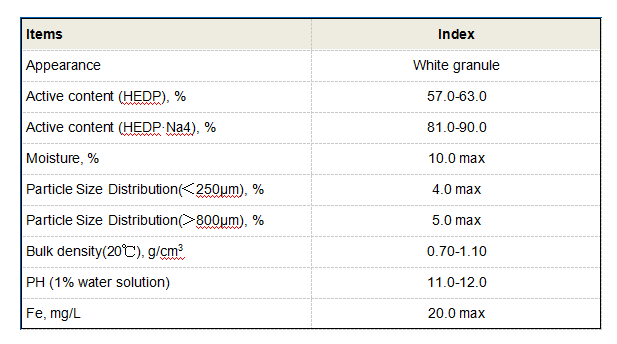
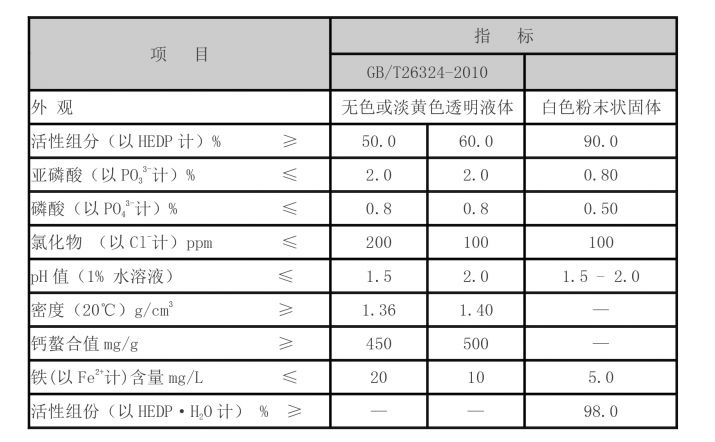
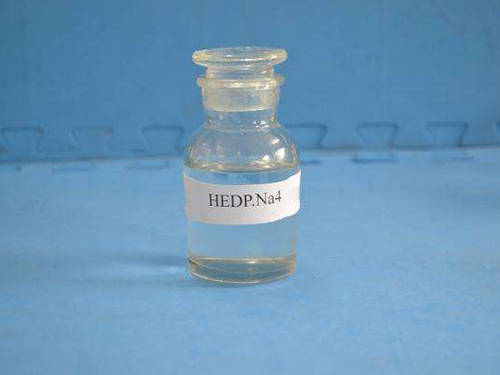
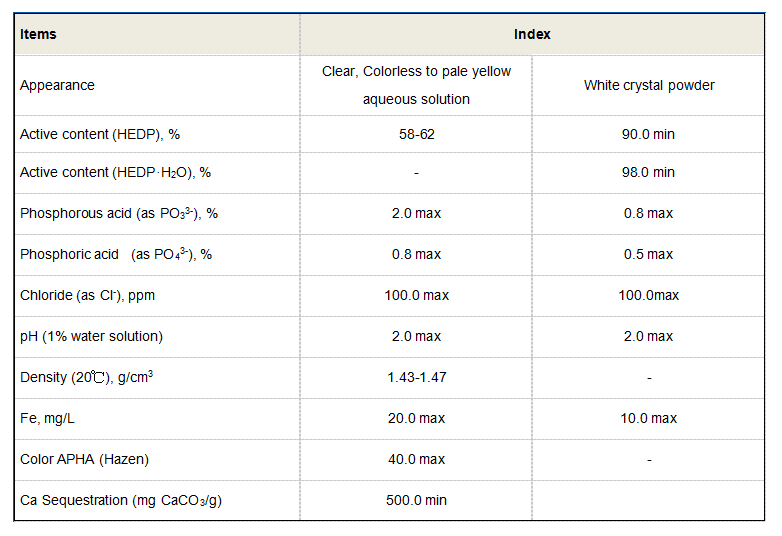
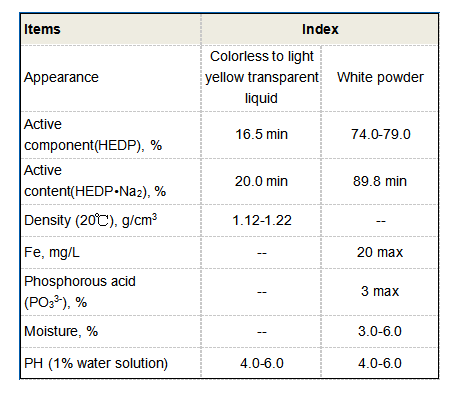
disodium salt / cas 7414 83 7 / 7414 83 7: This CAS number (7414-83-7) refers to the Disodium salt of HEDP. LKP BTC produces this form of HEDP, which is often easier to handle and dissolve in water treatment formulations compared to the acid form.
|
|
|
|
|
|
metal rust protector
|
|
flocculant for sale / types of flocculants in water treatment / different types of flocculants / oem flocculant / flocculant factory / flocculant manufacturer / flocculant supplier / flocculant water treatment / flocculant chemical / flocculant chemicals for water treatment / flocculants used in water treatment / water flocculant / floc water treatment / industrial flocculant / coagulants and flocculants / coagulant and flocculant chemicals / coagulant flocculant / coagulants and flocculants in water treatment / flocculant vs coagulant / coagulation and flocculation in water treatment / coagulation and flocculation / coagulation flocculation / water flocculation chemicals / flocculation chemicals / water treatment flocculation chemicals / chemical coagulation and flocculation water treatment / flocculation in water purification / water coagulation and flocculation / flocculant price / difference between flocculant and coagulant: This extensive list represents the core of LKP BTC's business: manufacturing and supplying "flocculants" and "coagulants." As a "flocculant factory," they produce a wide range of "flocculant chemicals for water treatment," including:• Coagulants (e.g., "polyaluminum chloride"): Charge-neutralizing chemicals that destabilize particles.• Flocculants (e.g., "polyacrylamide"): Polymers that aggregate destabilized particles into larger "flocs."They explain the "difference between flocculant and coagulant" and their synergistic use in the "coagulation and flocculation" process to remove suspended solids from water in municipal and "industrial" treatment plants. They offer "OEM" services and competitive "prices."
|
|
|
|
- flocculated vs deflocculated Services
|
|
chelating agents / anti chelating agent / biodegradable chelating agents / ca chelating agent / calcium chelating agent / chelating agent chemistry / chelating agents drugs / chelating reagent / chelating sequestering agent / chemical chelating agent / chemical chelating agents / citrate chelating agent / citric acid chelating agent / common chelating agents / disodium edta chelating agent / edta chelating agent / edta chelating agent calcium / edta is chelating agent / egta chelating agent / ethylenediamine chelating agent / hedp chelating agent / hedta chelating agent / k chelating agents / natural chelating agent list / natural chelating agents / natural chelating agents examples / organic chelating agents / phosphate chelating agent / phosphorus chelating agent / phytic acid chelating agent / sequestering agent and chelating agent / sodium chelating agents / sodium citrate chelating agent / versene a chelating agent / agent chelator / bifunctional chelator / chelating compound / chelating properties / chelating solution / chelating substances / chelator / corrosion inhibiting compound / edta chelation chemistry / edta chelator / edta metal chelation / edta mg chelation / edta sequestering agent / egta chelator / phosphate chelator / sequestering agent edta: LKP BTC is an expert in "chelating agents" (or "sequestering agents"). These are chemicals that form soluble, complex molecules with metal ions (like "calcium," "magnesium"), preventing them from forming scale or interfering with processes. Their product line includes:• Synthetic: "HEDP," "EDTA," "DTPMP," which are powerful "chemical chelating agents."• "Biodegradable" & "Natural": "Citric acid," "Gluconic acid," and "Phytic acid."These "organic chelating agents" are used in water treatment, detergents, and personal care to control metal ions. They explain the "chemistry" and "properties" of these compounds in their technical literature.
|
|
|

|
scale inhibitor 22mm
|
|
cationic polyacrylamide / cationic polyacrylamide flocculant / cationic pam / cationic polyacrylamide price / cationic polyacrylamide uses: LKP BTC specializes in "cationic polyacrylamide" (C-PAM). This type of PAM carries a positive charge, making it highly effective as a "flocculant" for treating organic sludge, wastewater with high organic content, and for dewatering applications. The "price" and specific "uses" are tailored to the charge density and molecular weight of the polymer.
|
|
|
|
|

|
types of flocculation in water treatment
|
|
polymaleic anhydride / hydrolyzed polymaleic anhydride / hpma / cas 26099 09 2 / 26099 09 2: LKP BTC is a supplier of "HPMA" (Hydrolyzed Polymaleic Anhydride). This low molecular weight polymer is an excellent scale inhibitor, particularly effective against calcium phosphate and carbonate scales in high-temperature and high-pH conditions. Its CAS number is 26099-09-2.
|
|
|
|
|
|
flocculated vs deflocculated Special Activities
|
|
anionic polyacrylamide / anionic polyacrylamide flocculant / anionic pam / anionic polyacrylamide price / anionic polyacrylamide uses: LKP BTC produces "anionic polyacrylamide" (A-PAM). This type of PAM carries a negative charge and is primarily used as a "flocculant" in mineral processing, coal washing, and sand washing to aggregate inorganic particles like clays and metal oxides. The "price" varies based on the degree of hydrolysis.
|
|
|
|
|
|
|
|
flocculated vs deflocculated Hot Activities
|
|
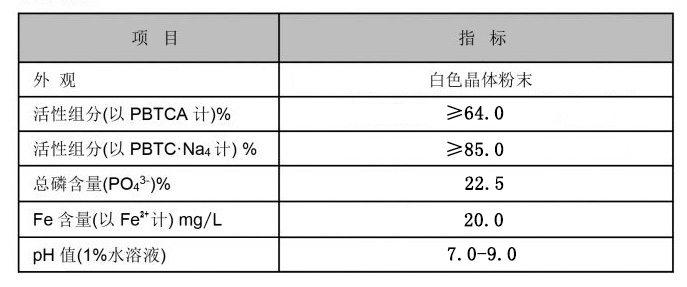
2 phosphonobutane 1 2 4 tricarboxylic acid / pbtc / pbtc 50 / pbtc chemical / pbtc net / pbtc tricarboxylic acid / phosphonobutane tricarboxylic acid / pbtc price / pbtc scale inhibitor / cas no 37971 36 1 / 37971 36 1 / cas 37971 36 1: LKP BTC is a leading manufacturer of "PBTC" (2-Phosphonobutane-1,2,4-Tricarboxylic Acid). This high-performance "chemical" is a superb "scale inhibitor," particularly effective against calcium carbonate and also functioning as a corrosion inhibitor. They supply it in common concentrations like "PBTCA 50%" and provide technical data including its MSDS. Its CAS number is 37971-36-1.
|
|
|
|
|
|
|
|
Our Awesome Activities
|
|
disodium salt / cas 7414 83 7 / 7414 83 7: This CAS number (7414-83-7) refers to the Disodium salt of HEDP. LKP BTC produces this form of HEDP, which is often easier to handle and dissolve in water treatment formulations compared to the acid form.
|
|
|
|
|
|
|
|
|
|
|
|
|
|
|
|
|
|
|
|
|
|
|
|
|
|
|
|
|
|
|
|
|
|
What Our Clients Say
|
|
flocculant types / what is poly aluminium chloride / poly aluminium chloride uses / polyacrylamide use / polyacrylamide formation: LKP BTC provides extensive technical expertise on their products. They explain the different "types of flocculants" (anionic, cationic, nonionic polyacrylamide) and their specific applications. They detail "what poly aluminium chloride is" – an inorganic coagulant – and its "uses" in removing suspended solids. For "polyacrylamide," they cover its "use" as a flocculant to aggregate fine particles and its chemical "formation" process.
|
|
|

|
|
|
Overall, one of the best industrial e-commerce experiences I've had. A solid 9/10.
|
|
|
|

|
|
|
They are very responsive on Alibaba.com, but communicating directly through their website is even faster.
|
|
|
|
|